When the outside of your home starts looking dingy, the fix is usually some form of washing. But pressure washing and soft washing are not interchangeable, and using the wrong one can damage a surface or leave the grime behind. Here is a clear breakdown so you can choose the right approach for your Treasure Valley property.
What Is the Difference?
Pressure washing uses a high pressure stream of water to blast away dirt, mud, and buildup from hard surfaces. Soft washing uses low pressure combined with cleaning solutions that break down grime, algae, and mildew, then rinses it away gently. In short, pressure washing relies on force, while soft washing relies on the cleaning solution to do the work.
When Pressure Washing Is the Right Call
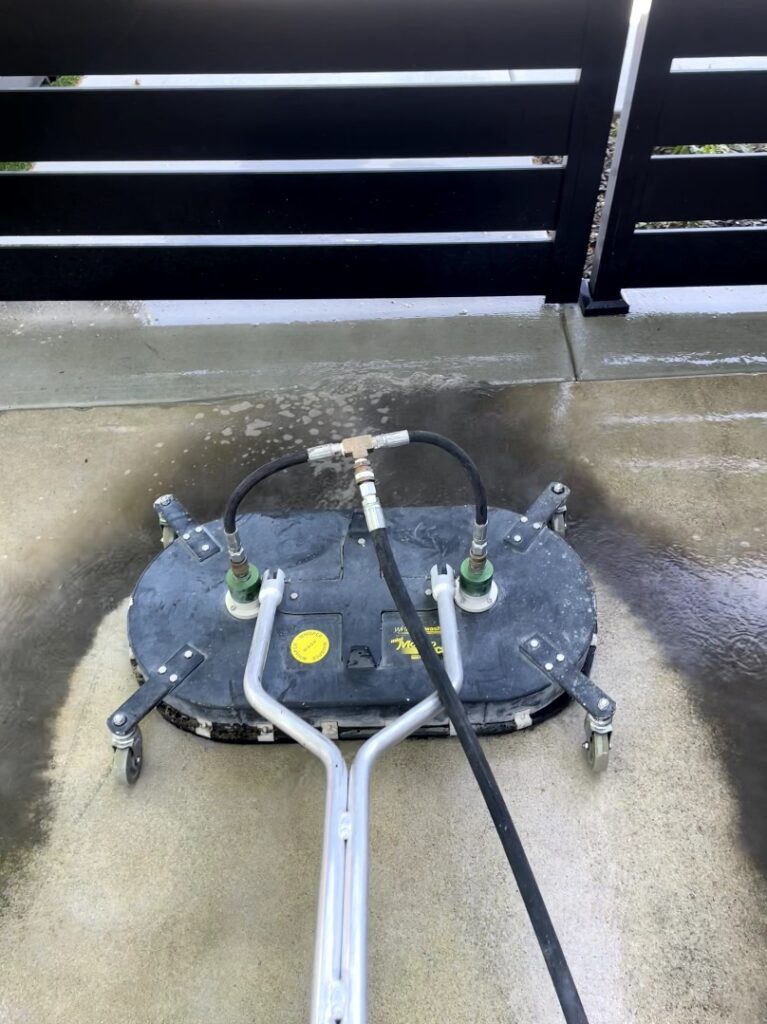
Pressure washing shines on tough, solid surfaces that can take the force. Think concrete driveways, sidewalks, patios, and pavers caked with dirt, oil, or tire marks. These surfaces handle high pressure well, and the results are immediate. It is the fastest way to bring a gray, grimy driveway back to life.
When Soft Washing Is Safer
Many parts of a house are too delicate for high pressure. Siding, stucco, painted surfaces, screens, and anything with seams can be damaged or forced full of water by an aggressive stream. Soft washing cleans these safely and also kills the algae and mildew at the root, so the surface stays clean longer. For most house exteriors, soft washing is the better and safer choice.
How to Decide
The simple rule is to match the method to the surface. Hard, durable, ground level surfaces usually call for pressure washing. Walls, siding, and anything fragile call for soft washing. A good provider will look at each surface and use the approach that cleans it without causing harm, sometimes using both around the same property. You can see how we handle this on our pressure washing page.
Frequently Asked Questions
Can pressure washing damage my home?
It can if used on the wrong surface. High pressure can chip paint, gouge wood, crack stucco, or drive water behind siding, which is why delicate surfaces should be soft washed instead.
Which is better for my driveway?
Concrete and paver driveways are ideal for pressure washing, which lifts oil, dirt, and tire marks that soft washing alone would leave behind.
How often should I wash the outside of my home?
Most Treasure Valley homes benefit from a yearly exterior wash, with a touch up if algae, dust, or mildew start to show sooner.
Common Surfaces and the Right Method
It helps to picture it surface by surface. Concrete driveways, sidewalks, and paver patios are built for pressure washing and come back to life under it. Vinyl and painted siding, stucco, soffits, and screens belong to soft washing, which lifts grime and kills algae without forcing water behind the surface. Wood decks and fences usually fall in between and need a careful touch, since too much pressure raises the grain. Roofs should almost always be soft washed, never blasted. Matching each surface to the right method is what protects your home while still getting it truly clean.
Why Professional Equipment Matters
The gear makes a real difference. Professional units let us dial the pressure up or down for each surface and mix in the right cleaning solutions, so one setup safely handles a driveway and delicate siding on the same visit. That control is hard to match with a rental, and it is the reason a professional wash lasts longer and looks more even.
Get a Free Quote from Winn Outdoor Washing
Ready for a clear, streak free view? Call (208) 985-4105 for a fast, no obligation quote, and let our local team handle the hard work for you.